The Collaborative for Health Arts and Civic Transformation
Stories

Stories

Where this work comes from, and the people it is built with.

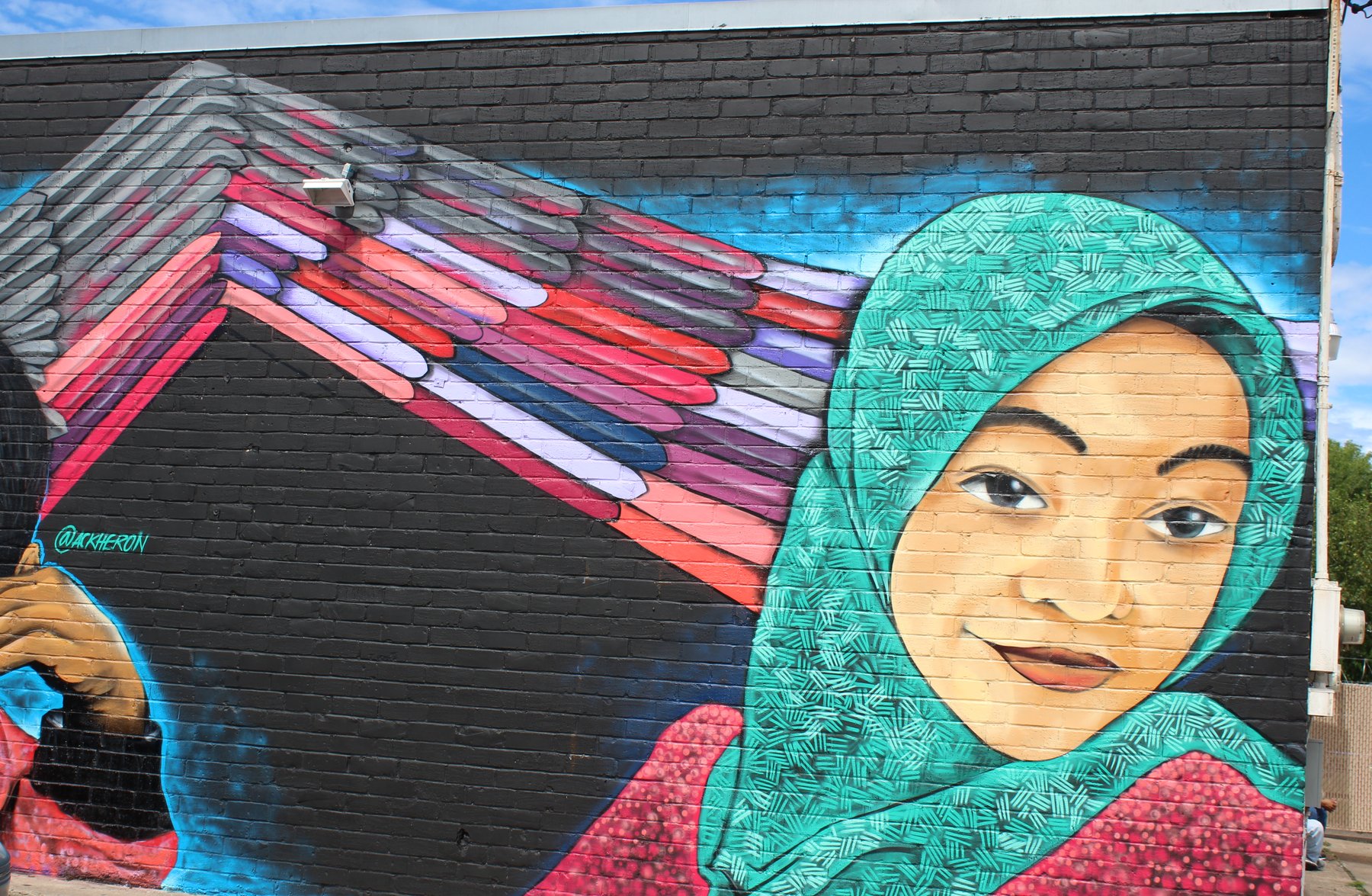
A mural of two young women with painted wings spread behind them, on a black brick wall
Mural in Gulfton. Art by Jack Heron.
Our story

What Could Not Be Taken

For more than a decade, she had poured herself into building something she deeply believed in. It began with a simple commitment: to stand alongside communities too often overlooked and help people find connection, opportunity, dignity, and a voice.

Over time, the work and the person behind it became almost inseparable. In the eyes of many community members, partners, and supporters, she had become the face of the organization. Even years later, people would still associate its name with her.

Then everything changed.

The organization she had built became part of something larger, and eventually she found herself on the outside of the very work that had become such a significant part of her identity.

It was more than losing a position. It meant watching a name she had nurtured for years continue without her. There was disappointment, uncertainty, and the difficult question of how to move forward when so much of your professional identity had been tied to something you could no longer call your own.

But she came to understand that a name and a mission are not the same thing.

The name could belong somewhere else. The mission still lived within her.

The relationships built over the years were real. The lessons learned from communities remained. And the belief that people deserve dignity, belonging, opportunity, and the power to shape their own futures had not changed.

She made a choice—not to spend her energy trying to reclaim an old identity, but to have the courage to create a new one.

She began again—reconnecting with communities, listening, building new partnerships, and imagining how years of experience could become the foundation for something broader and stronger.

The name was new. The identity was new. But the heart of the work was familiar: serving communities, building bridges, opening doors, and making sure people who are too often unheard have a place at the table.

That new beginning became HACT Collaborative.

Its story is not about replacing what came before or recreating the past. It is about carrying a lifelong commitment to community service forward under a new identity and with a renewed sense of possibility.

Because sometimes resilience is not about getting back what you lost.

Sometimes courage is realizing that what made the work meaningful was never the name on the door—and having the strength to build again.
From the field

Learning the work at the door

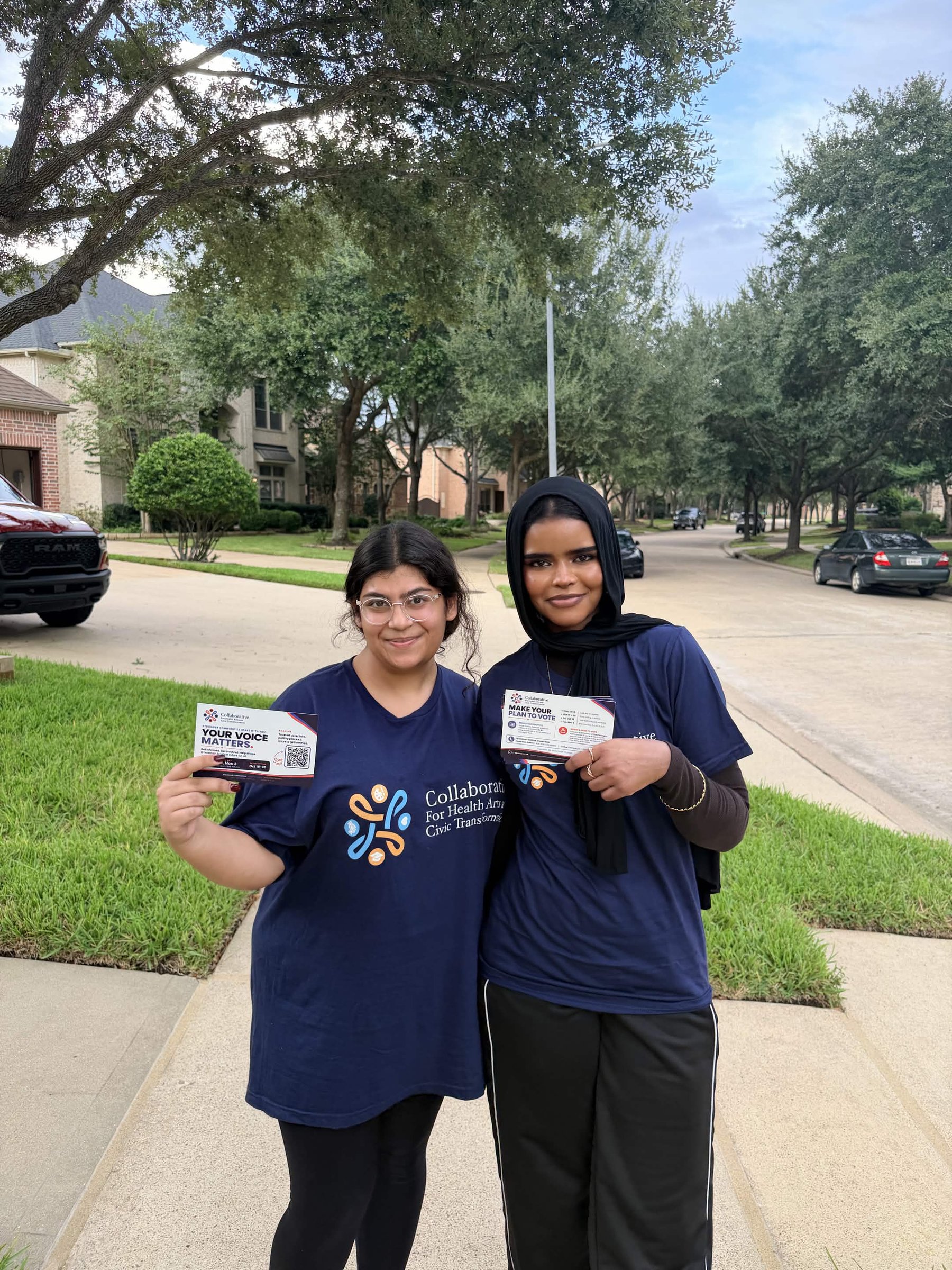
Two canvassers in Collaborative t-shirts holding voter information cards on a residential street
Canvassers with voter information cards.
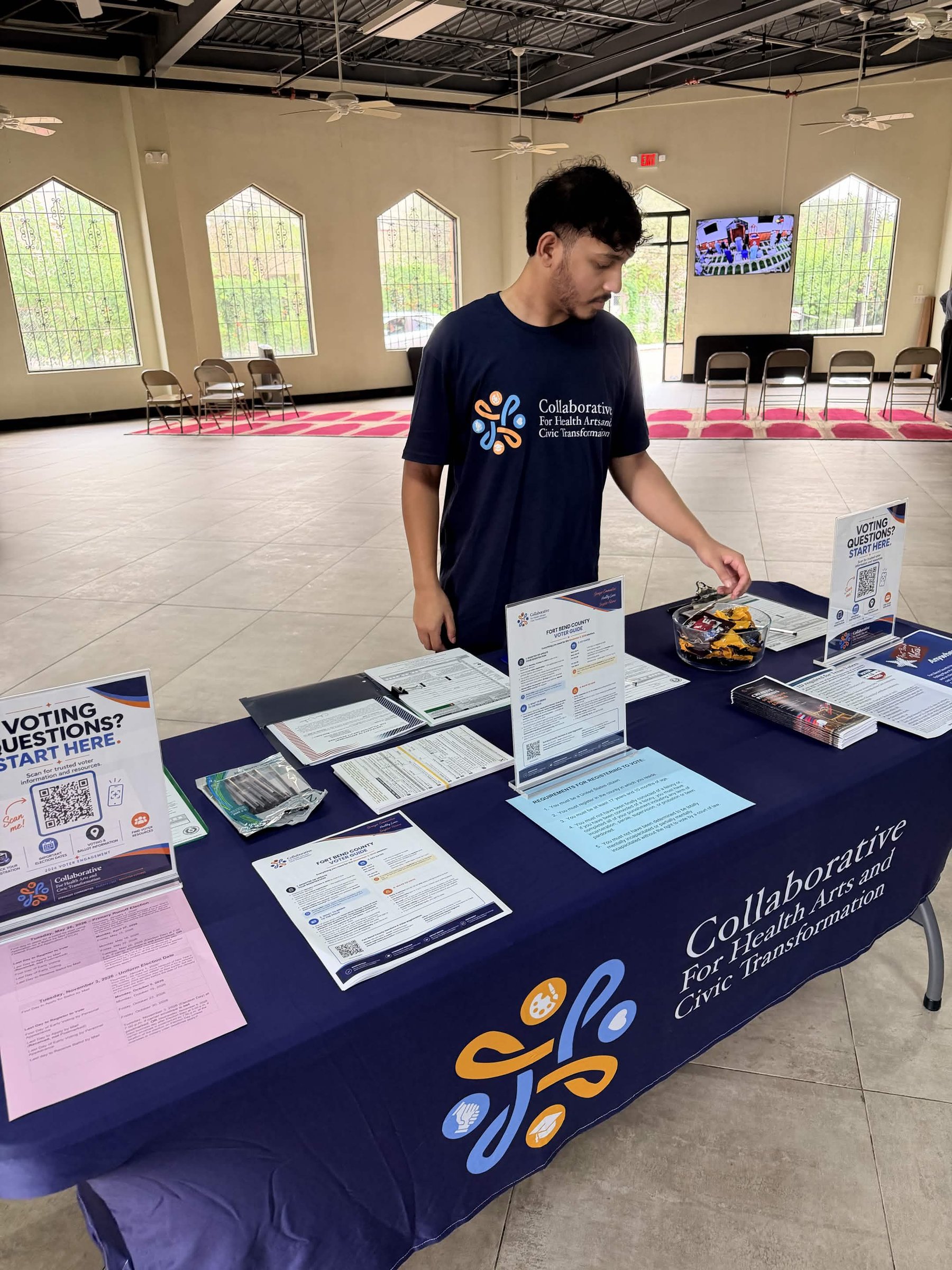
A volunteer setting up a Collaborative table with voter guides and registration forms
Setting up a voter information table.

I did not come to this work with a background in community organizing. I learned it the way most people do: by showing up, knocking on doors, and finding out how much I did not know.

The first thing you learn is that a door is not a transaction. People are in the middle of their evening. Some want to talk, some do not, and plenty are wary of a stranger asking about voting. The job is not to convince anyone of anything. It is to be useful: here are the dates, here is where you vote, here is what you need to bring, and here is how to check your registration.

We built the team as we went. Canvassers who knew the neighborhoods, who spoke the languages people actually speak at home, and who could tell when a conversation should stop. That turned out to matter more than any script.

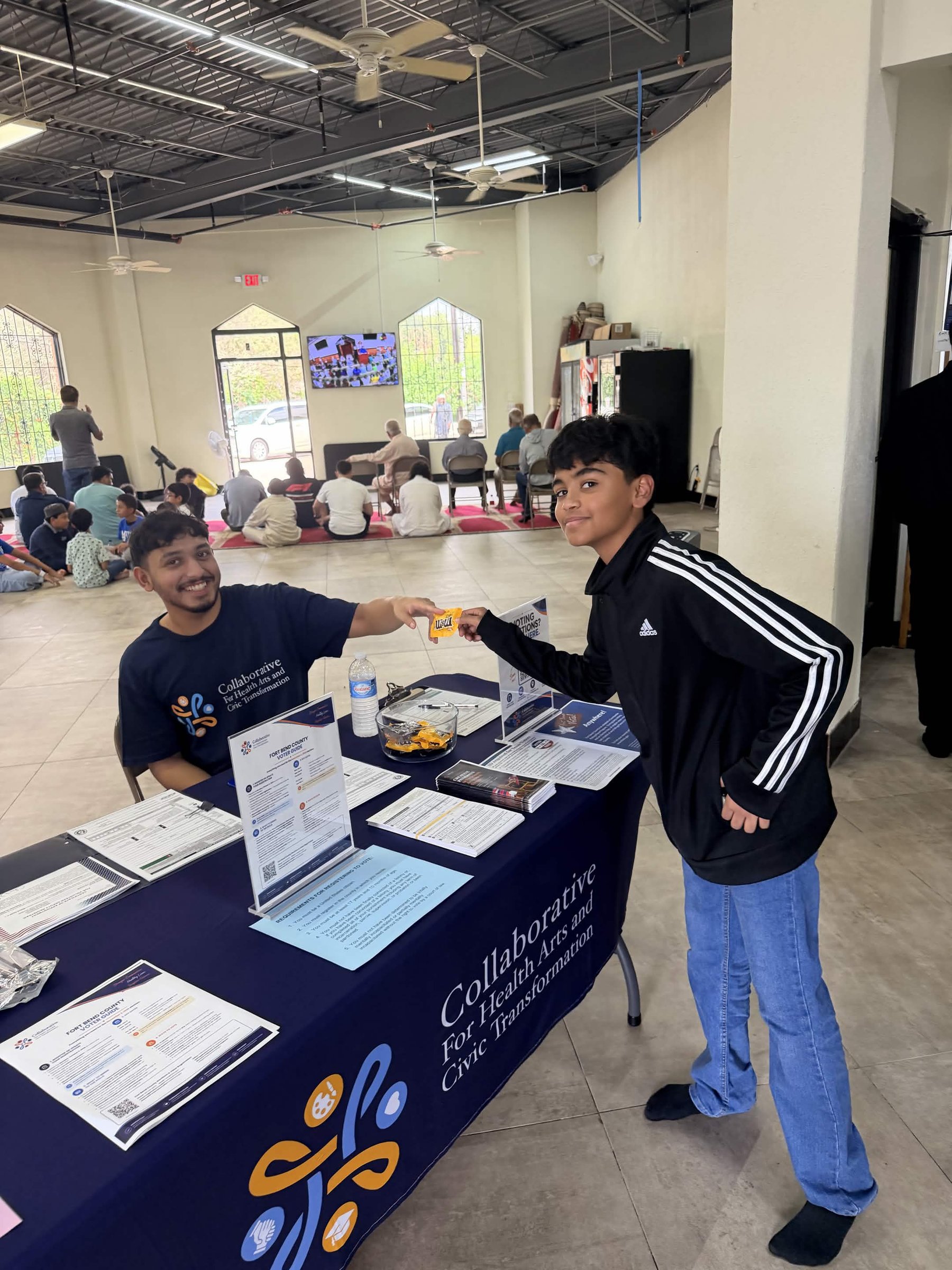
The table taught me something different. At a mosque or a community space, people come to you, and they bring real questions. What happens if I moved. Whether a past conviction means they cannot vote. What the ballot will actually look like. Answering those plainly, without pushing anyone toward an answer, is the whole job.

None of this is dramatic work. It is a clipboard, a stack of voter guides, and a lot of walking. But the first time someone says they had been meaning to check their registration for months and just never got to it, you understand why the walking matters.

Shan, Voter Engagement Initiative.

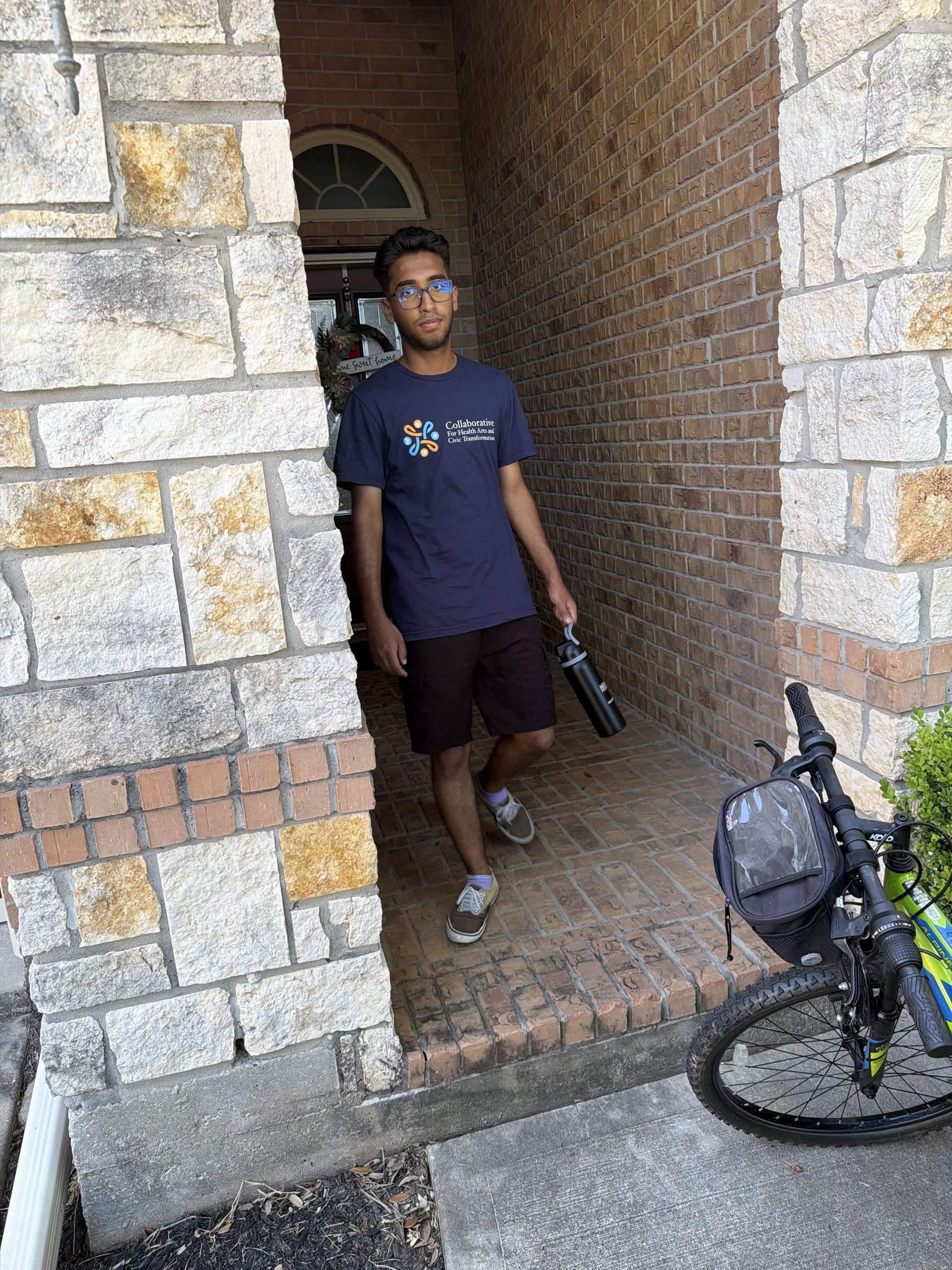
A canvasser in a Collaborative t-shirt at the front door of a house
Out on a shift.
A volunteer at the Collaborative table with a visitor, voter guides and registration forms laid out
At the table, Fort Bend County.

Have something you want to share?

If you have taken part in one of our programs and would be willing to talk about it, we would like to hear from you. Nothing gets published without your permission.

Get in touch